
SENSOR LOGIC AND FUNCTION
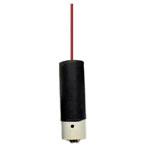
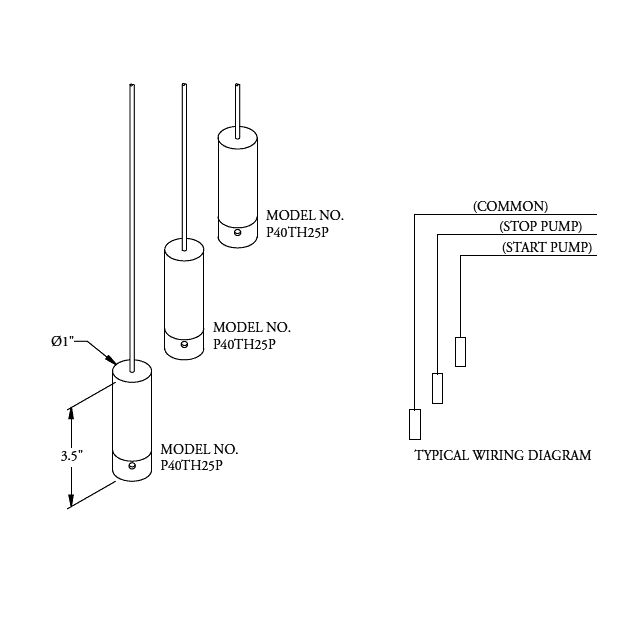
EPG’s Conductivity Probes are stainless steel electrodes that are commonly used to start and stop a pump. They are weighted, independently suspended and are mounted in small diameter PVC housings. Each probe has 25’ (standard) of a color coded lead wire insulated with a waterproof, gasoline, oil and chemical resistant material.
A set of three probes is used to start and stop a pump. The high blue probe is set at a level where the pump will start in conductive liquid. The low yellow probe is set at a level where the pump will stop when the probe is in contact with air or non-conductive liquid. When continuity is made in liquid between the high blue probe and the common brown probe, the pump will start. It will stop when the liquid drops below the low yellow probe, breaking continuity between it and the common probe. This prevents the pump from running dry or from pumping non-conductive liquid.
Typically, the probes send signals to an intrinsically safe dual latching relay (IS DLR), which starts and stops the pump. This control circuit has an energy potential so low that it is incapable of causing ignition of flammable or combustible materials. A non-intrinsically safe relay can also be used.


Since 1985, EPG Companies Inc. has designed and manufactured pollution control systems and equipment being used worldwide in various landfill, remediation, water and wastewater and industrial applications. With over 12,000 installations, EPG has become the choice among thousands of environmental professionals.
In addition to manufacturing superior, trouble-free equipment, EPG Companies conducts annual pumps and controls service school designed to help develop knowledge, expertise and troubleshooting ability. Our classes are applicable to all who are involved with the design, installation, and maintenance of Liquid or Gas Handling Systems, Remediation Systems and/or SCADA and Data Acquisition Systems.
Copyright © EPG Companies Inc. All rights reserved.